At Gem Underwriting, we make no apologies for putting risk management front and centre. Insurance isn’t only about responding to claims; it’s also about helping businesses avoid them in the first place. The consequences of poor risk management go far beyond the cost of a claim. Disruption, reputational damage, lost productivity, and even lost contracts can set a business back years.
Health and safety failures add to that cost. The average fine for breaches in the UK is now over £106,000, and the HSE reports 36.8 million working days lost each year due to work-related illnesses and injuries.
For brokers, this means that the insurers and MGAs they recommend must do more than just provide coverage. They should actively help clients reduce risk and strengthen their business.
The Gem Approach: Partnership, Not Just a Policy
Through our partnership with Irwell Insurance and Peninsula, Gem offers clients SafeCheck, a confidential health and safety review carried out by qualified consultants. SafeCheck goes beyond ticking boxes. It identifies compliance gaps, confirms strengths, and provides practical, tailored recommendations to close vulnerabilities.
The impact is clear. A review of 50 SafeCheck assessments found:
- 65.8% of businesses had no employee safety handbook in place.
- 57.9% had not carried out adequate fire risk assessments.
- 55.3% lacked sufficient risk assessments for their work.
Without SafeCheck, these businesses might only discover these gaps after an accident, a claim, or an enforcement visit.
Where SafeCheck Made the Difference
Case Study 1: Food Manufacturer. A medium-sized food producer’s SafeCheck review flagged missing machinery guards. The issue was fixed immediately. Months later, an incident was narrowly avoided when an employee slipped near the same equipment. Without the guard, the result could have been catastrophic. SafeCheck prevented a significant injury, legal action, and reputational harm.
Case Study 2: Construction Subcontractor. SafeCheck uncovered missing training records and out-of-date RAMS for a subcontractor. With guidance, the business improved its record-keeping and introduced toolbox talks. Six months later, the company passed an HSE inspection with no issues. The broker credited SafeCheck with giving their client confidence and a smoother renewal process.
Case Study 3: Hospitality Group. A chain of pubs used SafeCheck to standardise fire safety and manual handling practices across sites – result: fewer minor injuries, reduced downtime, and improved staff morale. Customers also noticed the difference, boosting turnover the following year.
The Benefits for Brokers
Brokers who embrace risk management add value beyond placing cover. By partnering with MGAs like Gem, they can:
- Prevent claims before they happen.
- Support better businesses, making them safer, more resilient, and more attractive to insurers.
- Win client loyalty, with services that protect people, profits, and reputations.
- Talk premiums, since fewer incidents and near-misses can lead to more sustainable pricing.
As one broker put it: “Improvement in safety and a reduction in incidents may well lead to a reduction in premiums – and most clients love to hear that.”
Risk Surveys: A Necessary Evil, or a Broker & Clients’ Best Ally?
We know what some brokers think: risk surveys slow the process down, make clients nervous, and feel like a barrier to placing business. Some even say it prevents them from obtaining the business.
But let’s look at the bigger picture. A risk survey isn’t just about meeting insurance conditions. It’s about protecting the client’s business, strengthening their reputation, and giving them an advantage when tendering for new contracts. A clean H&S record backed by regular reviews speaks volumes to customers, regulators, and employees alike.
For brokers, insisting on a survey shows professionalism and foresight. It positions you as a partner who’s not just shifting paper, but actively helping your clients run safer, stronger businesses. And fewer claims and fewer incidents typically reflect positively on rates. What might initially feel like an obstacle often pays off in the long run.
The Effort Pays Off
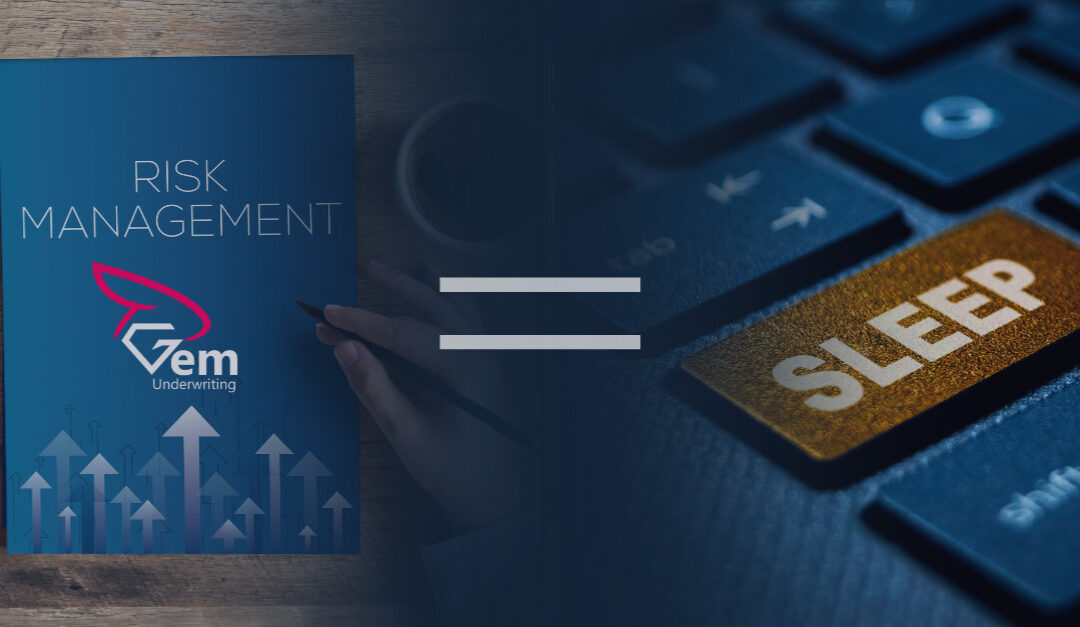
Yes, a risk survey takes effort, but it’s an effort that pays back. In safer workplaces, in smoother renewals, in clients who value the safety and well-being of their workforce and the environment around them, and in pricing that reflects reduced risk. For as little as £5 a day, many of our policyholders already access the full suite of Peninsula services, including HR, legal advice, and employee wellbeing, as well as advanced safety audits. All these services can help policyholders secure new contracts, improve staff retention, and reduce claims. Brokers who take the time to explain these benefits increase their chances of obtaining the business and retaining it! Perhaps, most importantly, a robust approach to risk management helps all parties – insurers, brokers, and clients alike – sleep better at night.
At Gem, we believe liability insurance and proactive health and safety are inseparable. Some may see risk management as an obstacle. We see it as the heart of responsible underwriting. We won’t apologise for that. However, while prevention is critical, we also recognise that when claims do occur, they are the moment of truth.
Recent HSE fines and prosecutions in the construction industry:
The construction industry has faced several recent HSE fines due to various breaches of health and safety regulations. Here are some of the notable cases:
-
- Ecclesiastical Steeplejacks Ltd: Fined £60,000 for the death of a steeplejack who fell from a 60-meter-high steeple while seated in a bosun’s chair. The bosun’s chair lacked a suitable backup system to prevent falls.
- Amber Precast Ltd: Fined for the partial leg amputation of a worker who lost part of his leg when an 800kg steel pallet fell on him during a night shift. The pallet was not supported while being moved.
- Nofax Enterprises Limited: Fined £63,000 plus costs for multiple failures at a construction site in Dalston, including working at height risks, poor fire precautions, and exposure to large amounts of silica dust.
These cases highlight the importance of adhering to health and safety regulations to prevent accidents and ensure a safe working environment in the construction sector.